









Smart Solutions supported a Magento 2 build and migration to cloud infrastructure with zero downtime during peak traffic, backed by 24/7 coverage.
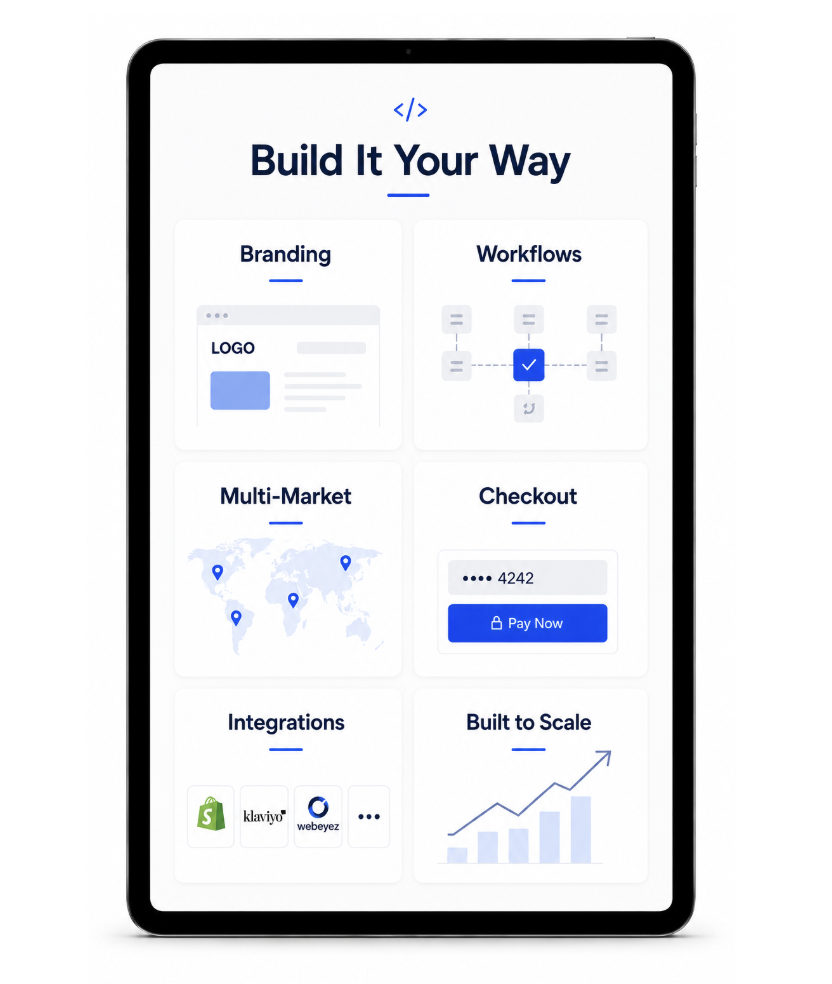
Built for How You Operate
Custom eCommerce Development
Off-the-shelf functionality covers the first 80 percent of most requirements. The remaining 20 percent is where your business actually differentiates and where custom eCommerce development earns its keep:
- Custom module and feature development when the platform’s native capability stops short
- Platform configuration aligned to real operational workflows, not defaults
- Multi-brand and multi-market storefronts run from a single backend
- Checkout and catalog logic for restricted or regulated products
- Integrations engineered as part of the build, not bolted on as an afterthought
We build custom functionality using platform-supported extension points so upgrades remain possible and the work survives version changes.

Discovery to launch
New Store Builds, End to End
A new build with Smart Solutions runs from discovery through launch under one team: requirements and architecture, information architecture and customer journeys, development and quality assurance, and a launch plan with SEO built in from the first sitemap decision.
Design and conversion strategy run alongside engineering through our user experience team, and every build ships with clean URL structure, metadata, and structured data so organic visibility starts accruing from day one rather than being retrofitted later.
Complexity, Simplified
B2B eCommerce Development
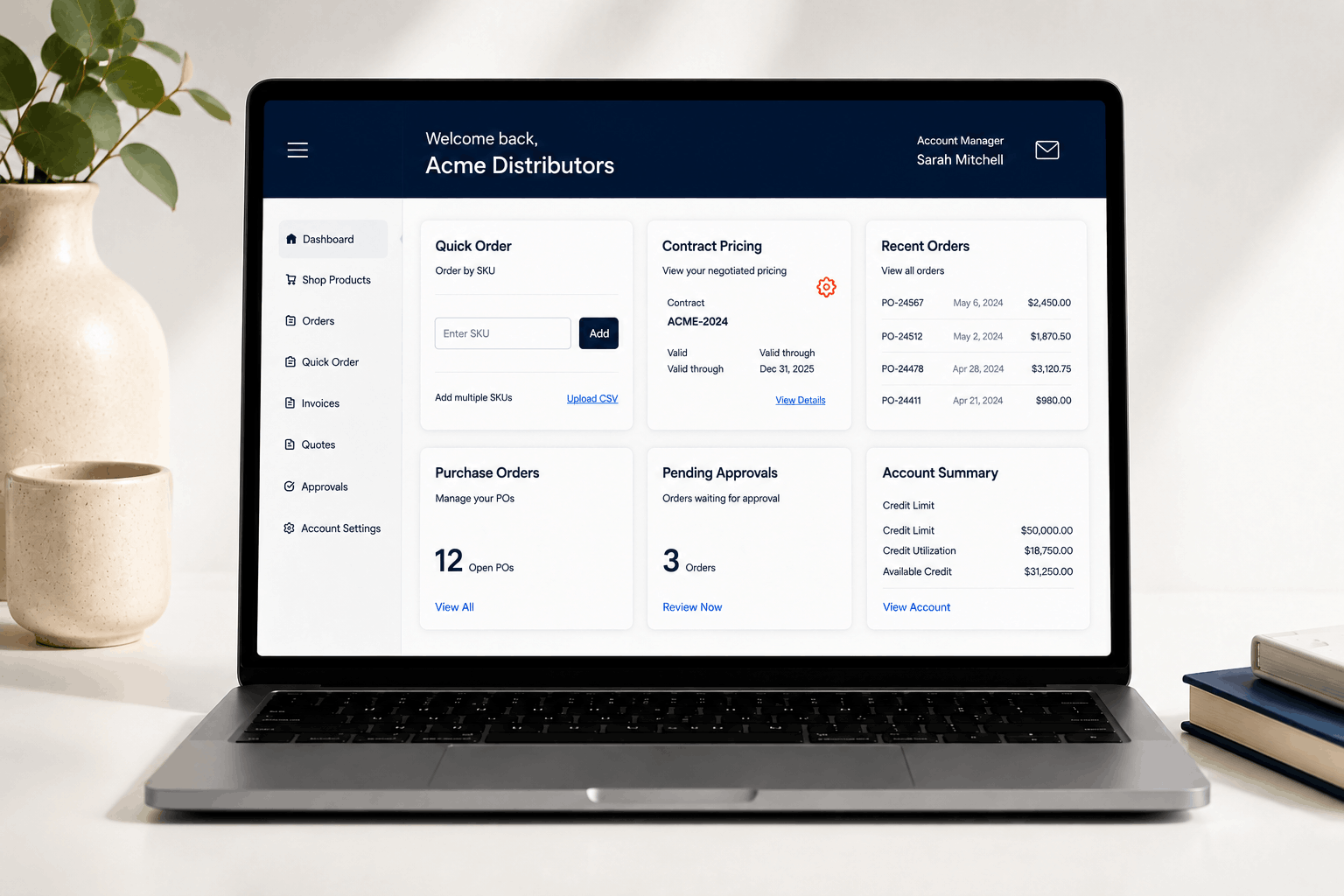
B2B buyers tolerate less friction than retail consumers, not more. We build B2B storefronts with layered pricing logic, account-specific and contract pricing, customer groups and volume tiers, and approval and ordering workflows that match how your buyers purchase. The result is a storefront your distributors and wholesale accounts can actually run their business through.
Flexibility without Guesswork
Headless and Composable, When It Earns Its Keep
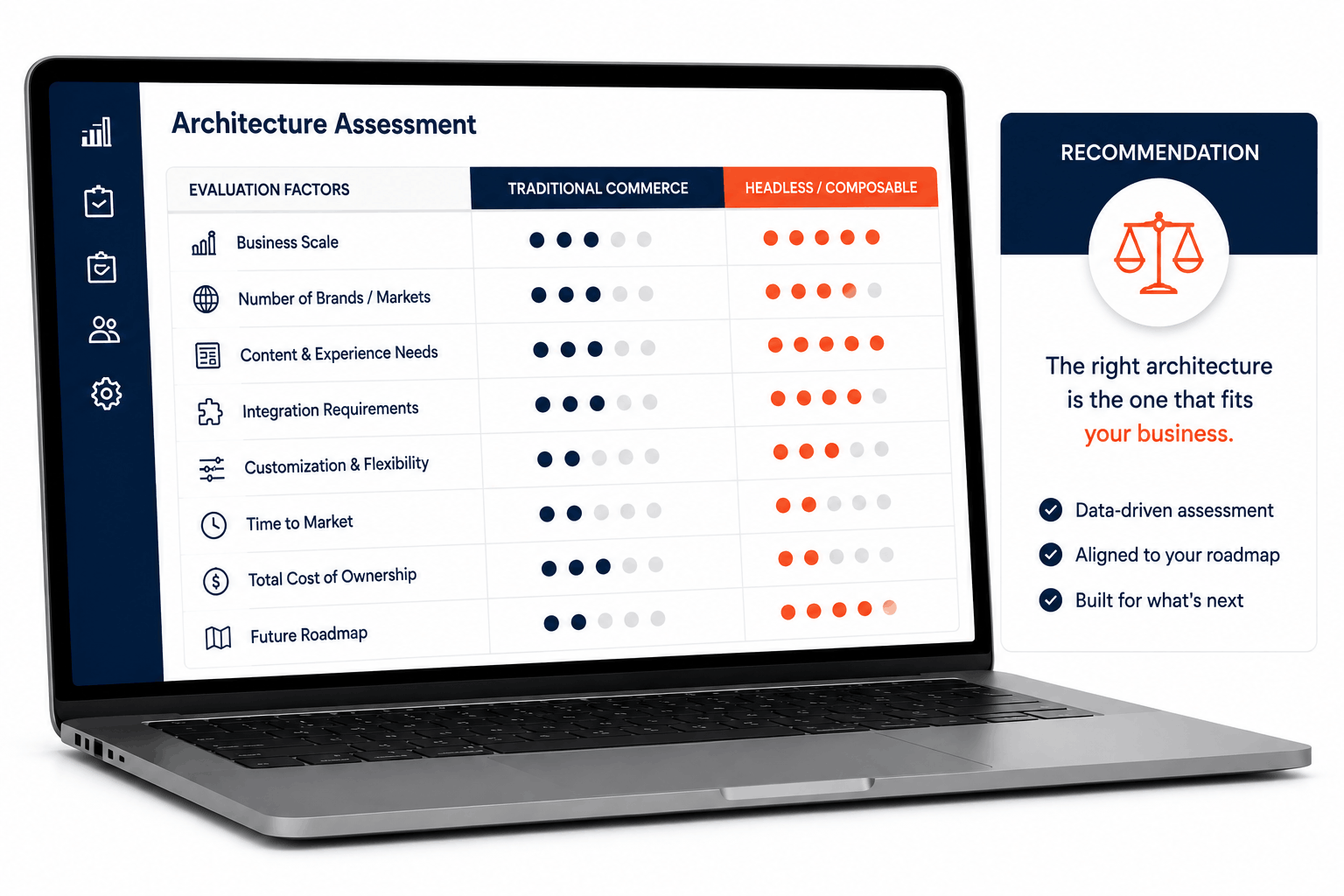
Headless commerce separates the storefront from the commerce engine, which buys flexibility at the cost of complexity. For some merchants that trade is clearly worth it; for many it is not. We build headless and composable architectures, and we will tell you honestly whether your scale and roadmap justify one. The answer is a technical assessment, not a fashion statement.

We Build Where It Fits
Platforms We Build On
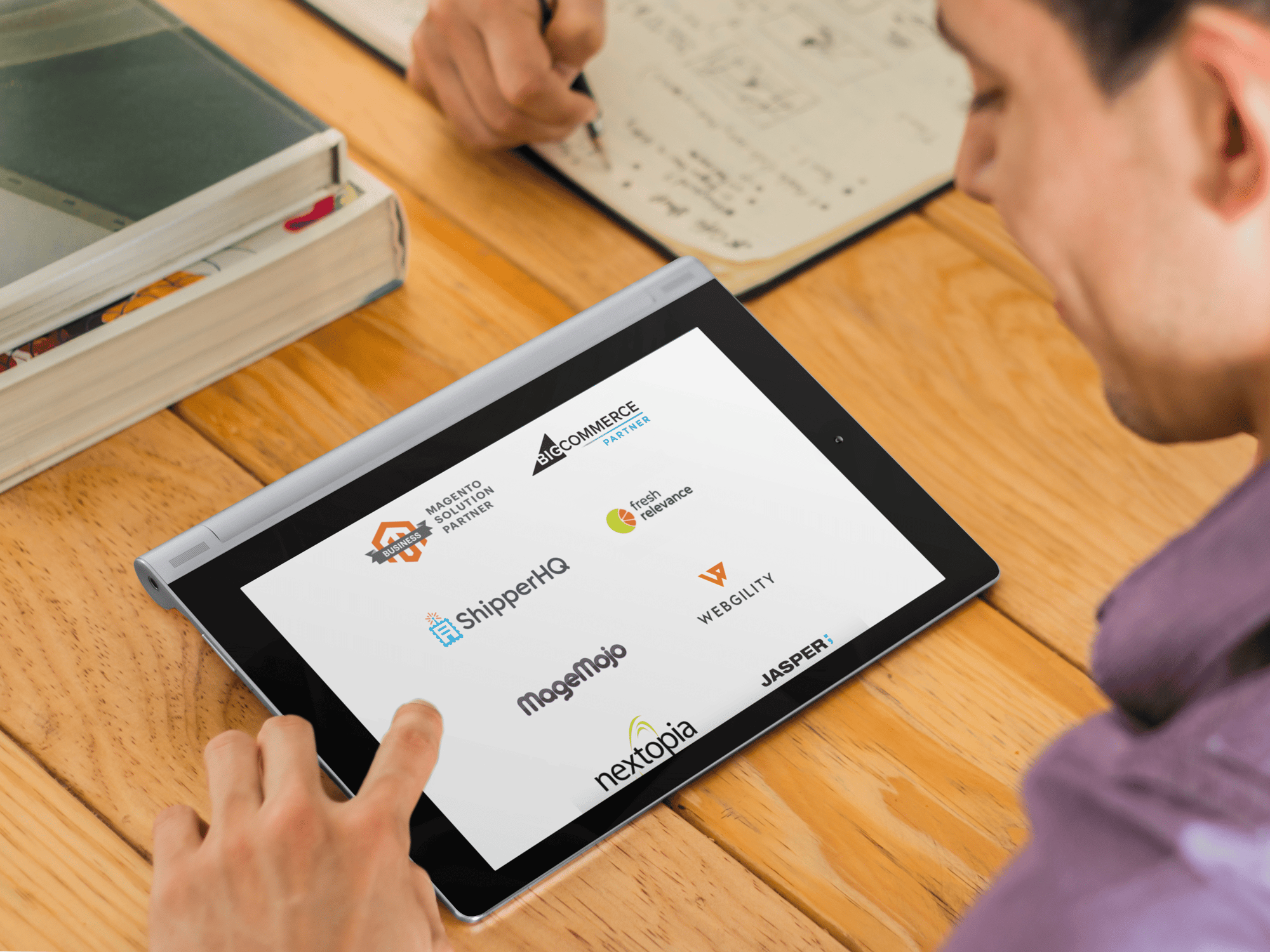
We are a certified BigCommerce partner, a Certified Shopware Development Partner, and carry more than a decade of Adobe Commerce and Magento development heritage, alongside WooCommerce work for catalogs that belong on WordPress. Platform recommendation comes before platform loyalty: your catalog complexity, B2B requirements, product category, and budget pick the platform, and we say so plainly when one does not fit.
Aimee Langdon
President, Langdon Tactical
They identify and solve problems, versus finding a band-aid solution.

Our Delivery Framework
Clarity before execution. Confidence at every stage.
From full platform builds to ongoing feature releases, successful eCommerce initiatives follow a deliberate progression. Our delivery framework moves initiatives from discovery through launch with defined priorities and measurable outcomes.

Discovery & Strategy
Stakeholder alignment, business goals, operational constraints, customer behavior, and technical evaluation.
Outcome: Aligned priorities and a clear foundation for scalable decision-making.
Architecture & Design
Technical architecture documentation, information architecture, customer journeys, and integration planning.
Outcome: A blueprint balancing usability, performance, search visibility, and technical feasibility.
Development & Quality Assurance
Platform functionality, integration development, and continuous testing with performance, security, and scalability in focus.
Outcome: Reliable functionality and preserved design integrity ahead of launch.

Launch
Deployment planning, final validation, SEO redirect mapping, live environment testing, and data verification.
Outcome: A stable, high-quality release from the first customer interaction.
Additional Services
Related Engineering Capabilities
New builds are one of four engineering disciplines we run. If your project begins with an existing store, start from the right page:
- Replatforming and migration, when the current platform is the limitation
- ERP and system integration, when the storefront and the back office need to stay in sync
- Compliance-ready builds, when your products face platform, payment, and channel restrictions
Post-launch, our technical support and platform stability coverage keeps versions current, security patched, and defects resolved before they become revenue problems.
Success Story

-
87.5
%
Reduction in Response Time
24
/
7
Support Coverage Post-Migration
0
%
Downtime at Peak Traffic Periods
.png?width=1360&height=1032&name=DBJ%20success%20story%20(1).png)
