






Running paid ads but not seeing results? Security issues in your eCommerce funnel can break conversions and waste your budget. Here’s what to fix.

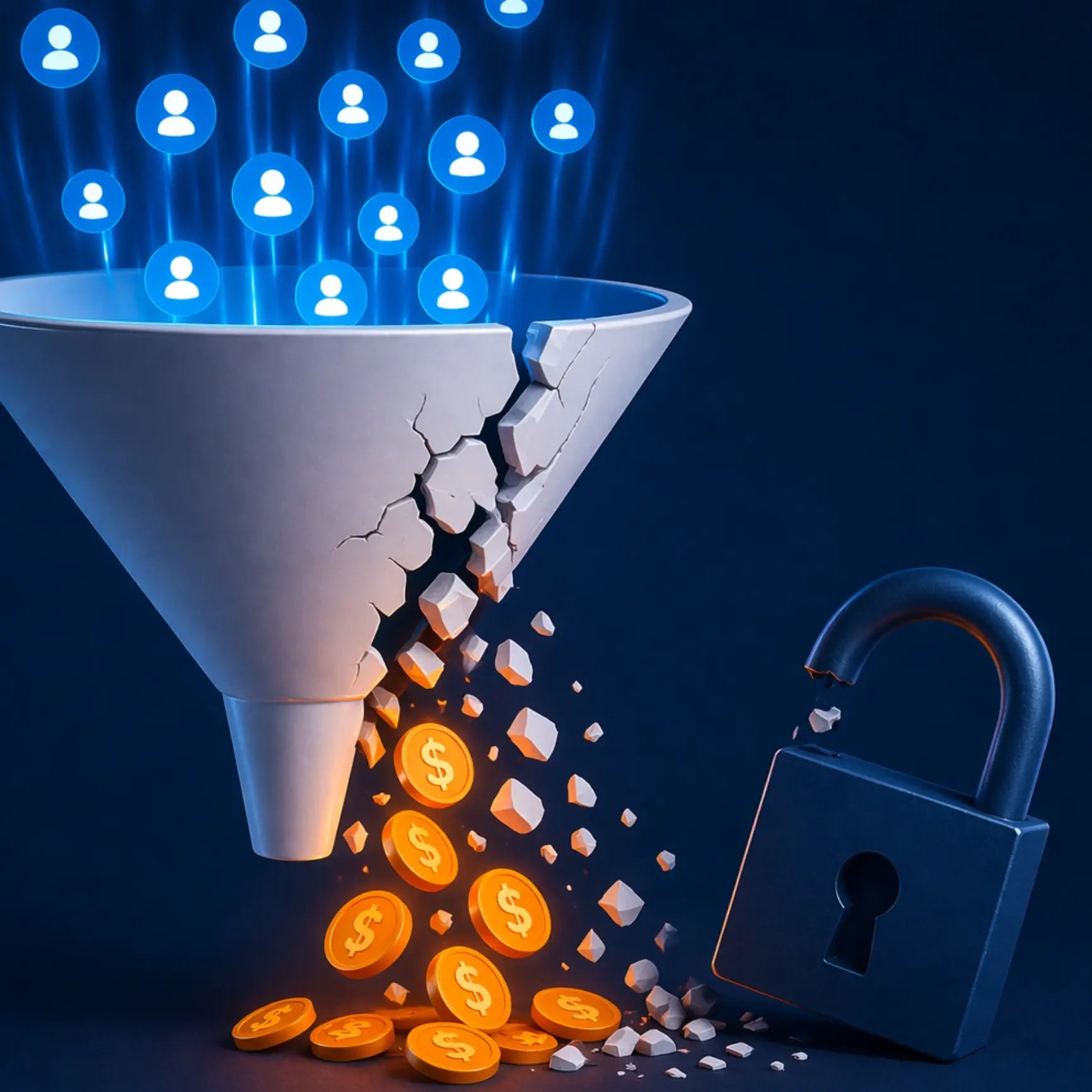
Your ads are driving traffic, but revenue isn’t keeping up. Budget goes out. Conversions don’t come back. The problem often isn’t your campaigns, creative, or targeting. It’s what happens after the click. Security gaps inside your funnel quietly break trust, disrupt the path to purchase, and turn paid traffic into wasted spend. More traffic doesn’t fix those problems. It amplifies them, increasing the cost of every weak point across your funnel.
For eCommerce marketing leaders, this creates a frustrating cycle. Campaigns look healthy on the surface, but performance stalls. Cost per acquisition rises. Return on ad spend declines. Teams optimize creative, audiences, and bidding strategies while the real issue sits inside the customer experience itself.
This is why eCommerce security issues are not just an IT concern. They directly impact conversion rates, customer trust, and marketing efficiency.
The Hidden Impact of eCommerce Security Issues on Conversions
By the time revenue drops, the damage is already happening. Security issues don’t start as headline problems. They show up as small breaks in your funnel that quietly reduce conversion efficiency. In more severe cases, the impact is immediate. A compromised site can lose up to 98% of its traffic. But more often, the damage is less visible and more expensive over time.
Checkout errors increase, payments fail, and legitimate orders get declined. Customers hesitate when something feels off. Bounce rates climb because the experience doesn’t feel safe. Cart abandonment increases when checkout becomes unreliable. Trust erodes when browsers or payment providers flag risk. Each of these moments reduces the return on every dollar you spend to acquire that visitor.
This is how security issues drain performance. Not all at once, but continuously. Long before revenue drops, your funnel is already underperforming, and your acquisition costs are quietly rising.
The Hidden Impact of eCommerce Checkout Errors and Security Conflicts
Checkout is where revenue is won or lost. When it breaks, your ad spend doesn’t just underperform. It gets wasted. Friction at this stage shows up in familiar ways:
- Failed payments
- Unexpected checkout errors
- Additional verification steps
- Broken payment gateway integrations
- Slow-loading checkout pages
- Declined legitimate transactions
Each issue increases the likelihood that a customer drops off after you’ve already paid to acquire them.
Security-related issues often sit at the center of this. Protections meant to reduce fraud or risk can interfere with the checkout experience when they’re not aligned with how your funnel actually operates. Scripts fail to load while payment gateways don’t process correctly and legitimate transactions are blocked or declined. From the customer’s perspective, it doesn’t matter why, the result is the same. Checkout doesn’t work, so they leave.
This is where eCommerce checkout errors and security problems directly affect marketing performance. Instead of protecting revenue, misaligned safeguards create friction at the most valuable stage of the buyer journey. The impact is immediate. Higher cart abandonments, lower conversion rates, increased customer acquisition costs, more paid traffic leaving without purchasing, and lost repeat customers due to poor experiences. When checkout becomes unreliable, every marketing dollar has to work harder just to maintain the same results. For brands investing heavily in paid acquisition, even small checkout issues create expensive consequences at scale.

The Hidden Impact Of Website Downtime On Ads
When your site goes down, ads continue spending money with nothing to show for it. Every paid click depends on a working destination. If users land on a broken page, slow-loading site, or unavailable checkout flow, conversion drops to zero while ad spend continues. This creates one of the most direct examples of website downtime impact on ads. The losses extend beyond missed conversions.
Ad platforms don’t ignore this. They factor landing page performance directly into how often your ads are shown and how much you pay for each click. When users bounce immediately because the page fails to load or function properly, platforms interpret that as a poor experience. The result is lower quality scores, higher cost per click, reduced ad efficiency, less reach for the same budget. You end up paying more to reach fewer qualified buyers.
The problem becomes even more expensive during high-traffic campaigns. Brands often increase spend during peak periods like Black Friday, holiday promotions, or product launches. But traffic spikes expose operational weaknesses faster. More clicks hit unstable pages, more users abandon the experience, and the negative engagement signals feed back to advertising platforms.
What should be a growth opportunity quickly turns into diminishing returns. Spend increases while performance declines. This is why funnel stability matters before scaling acquisition. Running larger campaigns without resolving infrastructure and security issues only magnifies the cost of existing inefficiencies.
For brands preparing for seasonal spikes, strong site stability is just as important as campaign planning. Our guide to Black Friday eCommerce features covers additional considerations for maintaining performance during peak traffic periods.
The Hidden Impact Of Third-Party Vulnerabilities On Funnel Performance
Your funnel is only as reliable as the systems connected to it. Most eCommerce experiences depend on third-party tools to function properly. Payment providers, analytics platforms, reviews, search tools, personalization engines, chat integrations, and marketing scripts all influence the customer journey. When those systems fail or introduce risk, funnel performance suffers.
The impact often starts with performance issues: slow load times, broken functionality, checkout disruptions, and inconsistent tracking. These problems create friction between the click and the conversion, reducing the return on your ad spend.
Customers don’t separate your brand from the tools powering the experience. If pages fail to load or checkout breaks, trust drops immediately. More users abandon sessions before purchase.
The risk goes beyond conversion loss. Weak or poorly maintained integrations can expose customer data, create compliance concerns, and disrupt marketing attribution. When tracking scripts or analytics platforms stop functioning correctly, marketing teams lose visibility into what is actually driving revenue.
This makes eCommerce funnel optimization issues significantly harder to diagnose. Teams begin making decisions based on incomplete or inaccurate data. Campaigns get adjusted while the real problem remains inside the funnel itself.
This is why integration stability directly affects marketing performance. Every third-party tool inside your funnel should support reliability, speed, and customer confidence, instead of introducing hidden failure points.
Why Security Issues Affect Conversion Rate And Waste Ad Spend
Security issues reduce conversion rates by creating friction and uncertainty after the click. You pay to bring users into the funnel, but performance problems, broken functionality, and trust concerns prevent them from completing purchases.
As conversion rates fall, customer acquisition costs rise. More budget is required to generate the same revenue, resulting in diminishing returns from paid campaigns.
The problem becomes more expensive when data quality declines. Security-related issues can distort performance metrics and lead to poor optimization decisions, including:
- Inflated traffic from bots or invalid clicks
- SEO penalties caused by malicious scripts
- Compliance risks from unmonitored tracking pixels or cookies
- Customer data exposure through insecure forms or integrations
- Inaccurate attribution caused by broken analytics tools
When funnel data becomes unreliable, marketing teams lose visibility into what is actually driving revenue. Campaign decisions become reactive instead of strategic. Budgets get adjusted based on misleading signals, while wasted spend continues growing in the background. This is one of the most overlooked ways eCommerce security issues affect marketing ROI.
Why Teams Miss eCommerce Security Issues As The Root Cause
Security and infrastructure problems are often treated as separate from marketing performance. As a result, conversion issues are misdiagnosed as campaign problems rather than operational ones.
Marketing teams see declining results and assume the problem is creative fatigue, targeting inefficiency, or weak messaging. Technical teams focus on uptime or system maintenance. Meanwhile, issues such as broken tracking, bot traffic, checkout friction, unstable integrations, slow page performance, and security conflicts impacting customer experience continue affecting the funnel. No single team owns the full customer journey.
This creates a costly cycle. Teams adjust campaigns, increase spend, or change creative while the real problem remains inside the funnel.
When the root cause goes unresolved, wasted spend continues to grow.
The fastest way to improve performance is not always launching a new campaign. Often, it’s fixing the underlying site and security issues preventing existing traffic from converting efficiently.
What A Stable Funnel Looks Like Before Scaling Ads
A stable funnel protects revenue before problems escalate. Brands with stronger security processes and automated monitoring identify and contain issues faster, reducing operational disruption and avoiding costly downtime.
For eCommerce marketing teams, that means campaigns continue running smoothly while checkout remains consistent and tracking data stays accurate.
A secure, high-performing funnel typically includes:
- Consistent uptime during campaigns and seasonal traffic spikes
- Reliable checkout experiences with fewer failed transactions
- Clean tracking and accurate attribution data
- Stable integrations across marketing and operational tools
- Alignment between marketing and technical teams
- Shared accountability for funnel performance and stability
- Proactive monitoring that identifies issues before they affect conversions
Strong security does more than reduce risk. It creates a more reliable funnel that helps marketing spend convert more efficiently into revenue.
This is where eCommerce engineering becomes a growth driver instead of simply a maintenance function. When infrastructure, security, and customer experience work together, marketing teams can scale campaigns with greater confidence and more predictable performance.
Stop Paying to Send Traffic Into a Broken Funnel
Security issues don’t just create technical risk. They reduce conversion rates, increase acquisition costs, and drain revenue from campaigns that should be driving growth. When checkout friction, downtime, unreliable integrations, or broken tracking go unresolved, every marketing dollar works harder for weaker results.
If your campaigns are underperforming and the cause is unclear, the problem may be inside the funnel itself. Our Website Assessment helps identify the operational, security, and performance gaps that could be wasting budget, hurting conversions, and limiting growth. Before increasing ad spend, make sure the funnel behind your campaigns is built to convert consistently.


Explore More Resources




.png?width=396&height=221&name=Adobe%20shift%20to%20SaaS%20(1).png)